
Between the floods
Summer drought in the fenlands

Though I do not live at the coast, water is never far from mind in my life here in the Netherlands. Besides the snakes, twists and forks of the country’s rivers, countless suspiciously straight channels cut across this flat land of big skies and long views. It is a strange landscape, devoid of features on the vertical plane, yet intricately packaged and parcelled up on the horizontal. At any moment one of these waterways can spring itself upon you, around any street corner in the city, around any bend in the road out there in het platteland — the Dutch countryside, literally ‘the flat land’. These dark, lazy waterways seem to suck in the surrounding noise and busyness, each a convenient sink for life’s messy offcuts in this highly urbanised and crowded country.
As in mountainous parts where there are myriad names for the different types of humps, lumps and bumps on the horizon, the Netherlands’ man-made watercourses come in a variety of flavours. In the city, there are the grachten (civilised urban canals) and singels (defensive moats from a more violent age). Out by the fields and polders, one comes across the narrower sloten and even shallower greppels (drainage ditches), besides ever more nuanced and region-specific terms: weteringen, tochten, diepen among others.
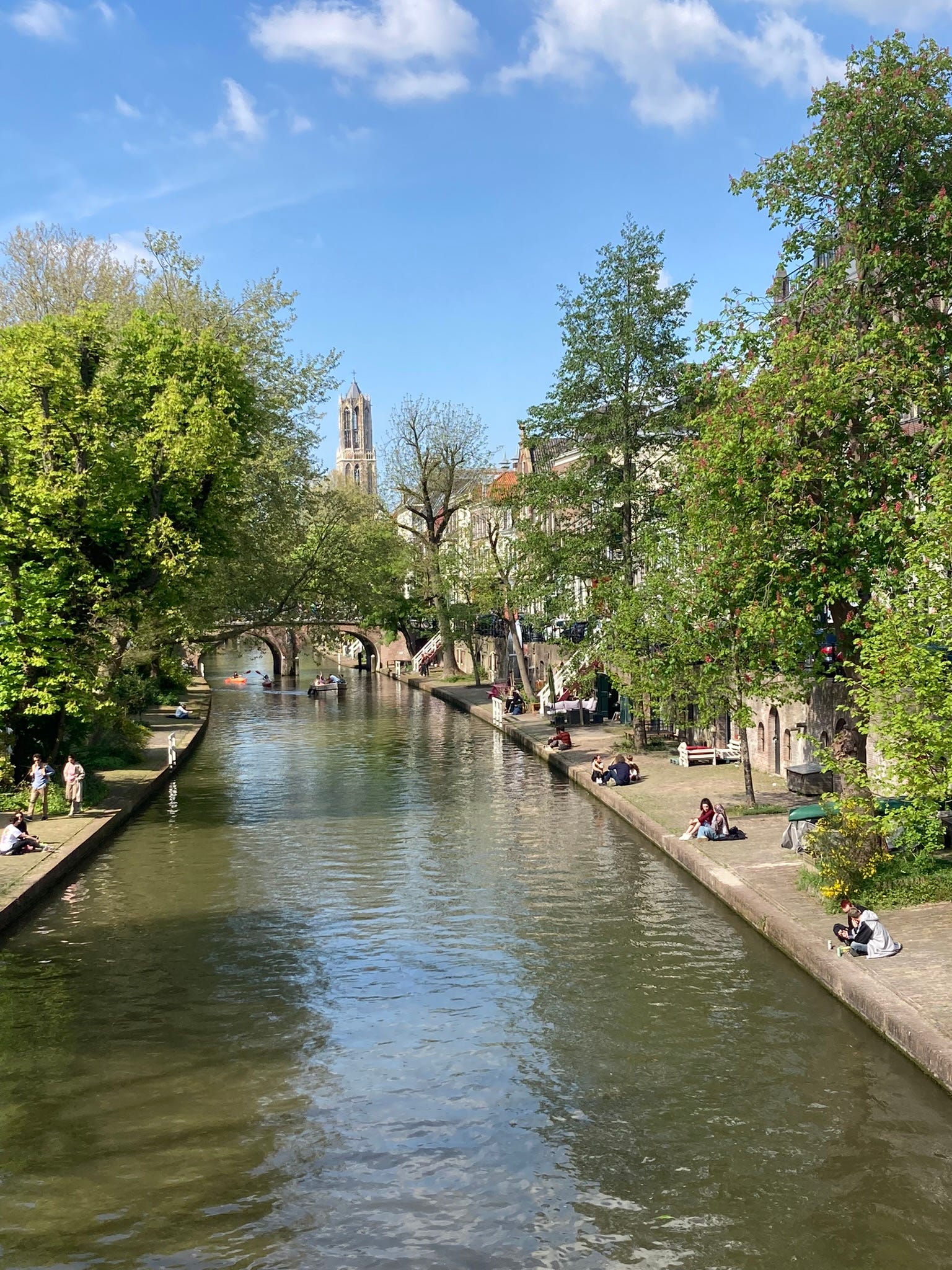
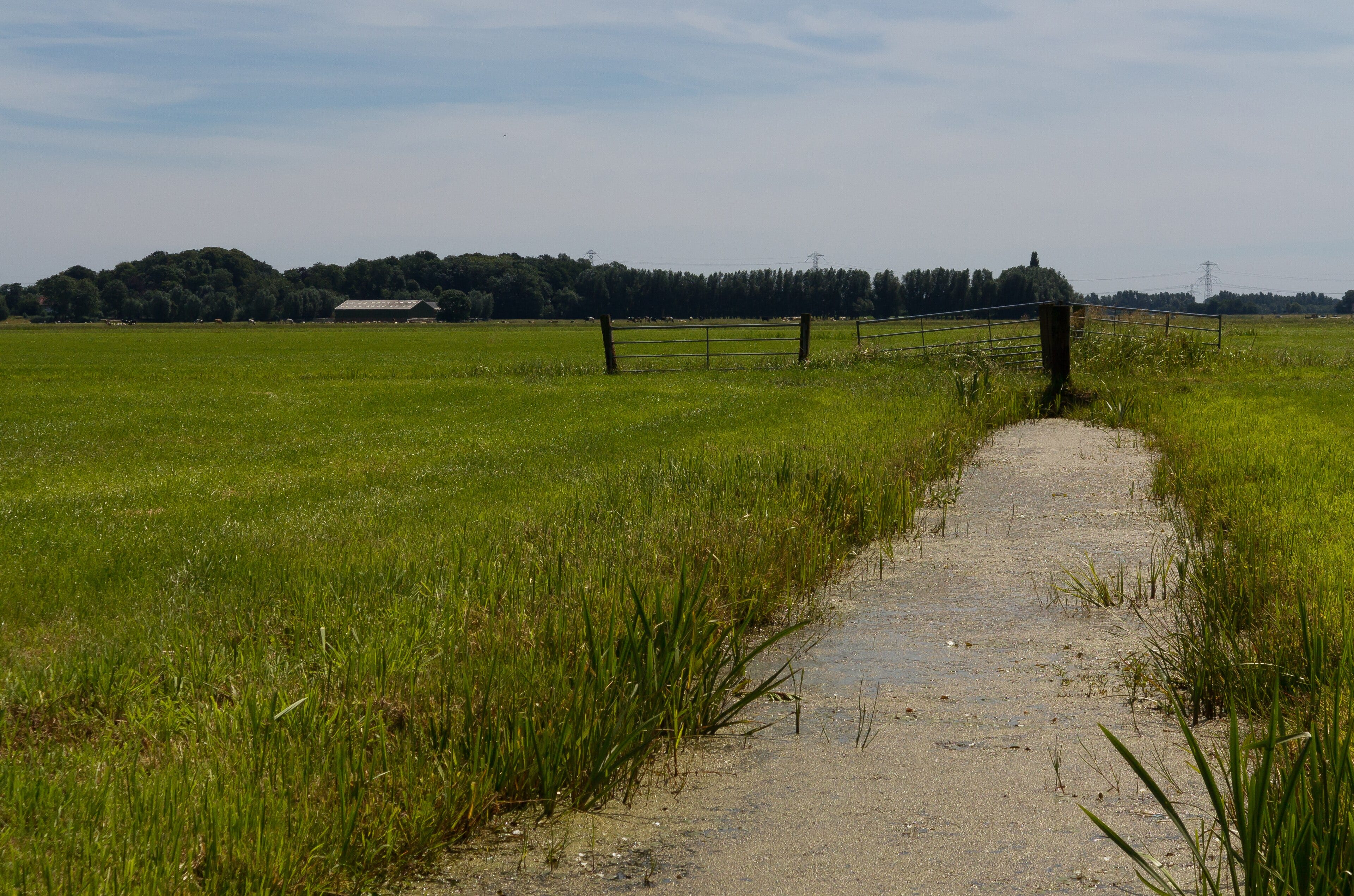

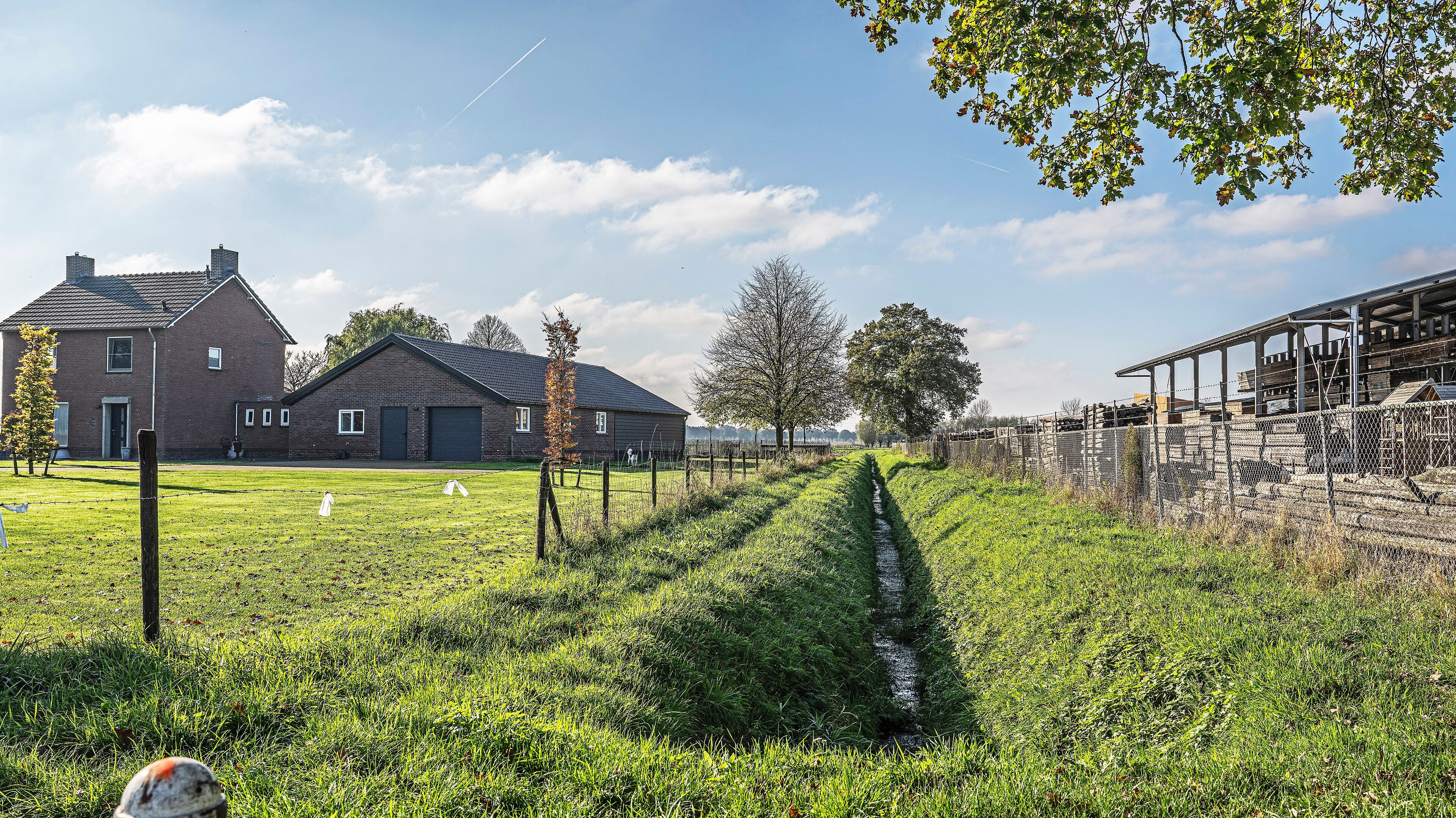

This rich Dutch nomenclature is matched on the other side of the North Sea in England’s fens, which boast their own array of dug-ditch terms — drains, grips, leams, lodes to name but a few. I recently spent a wonderful morning visiting the studio of British Amsterdam-based artist Annabel Howland, who has long looked back on the East Anglian fens from her equally flat, adopted home. I am fascinated by her work exploring the Fens’ intricate networks of waterways and field systems. It seems that, as an English resident in the Netherlands, one cannot help but be drawn to the fenlands of that other home across the water.
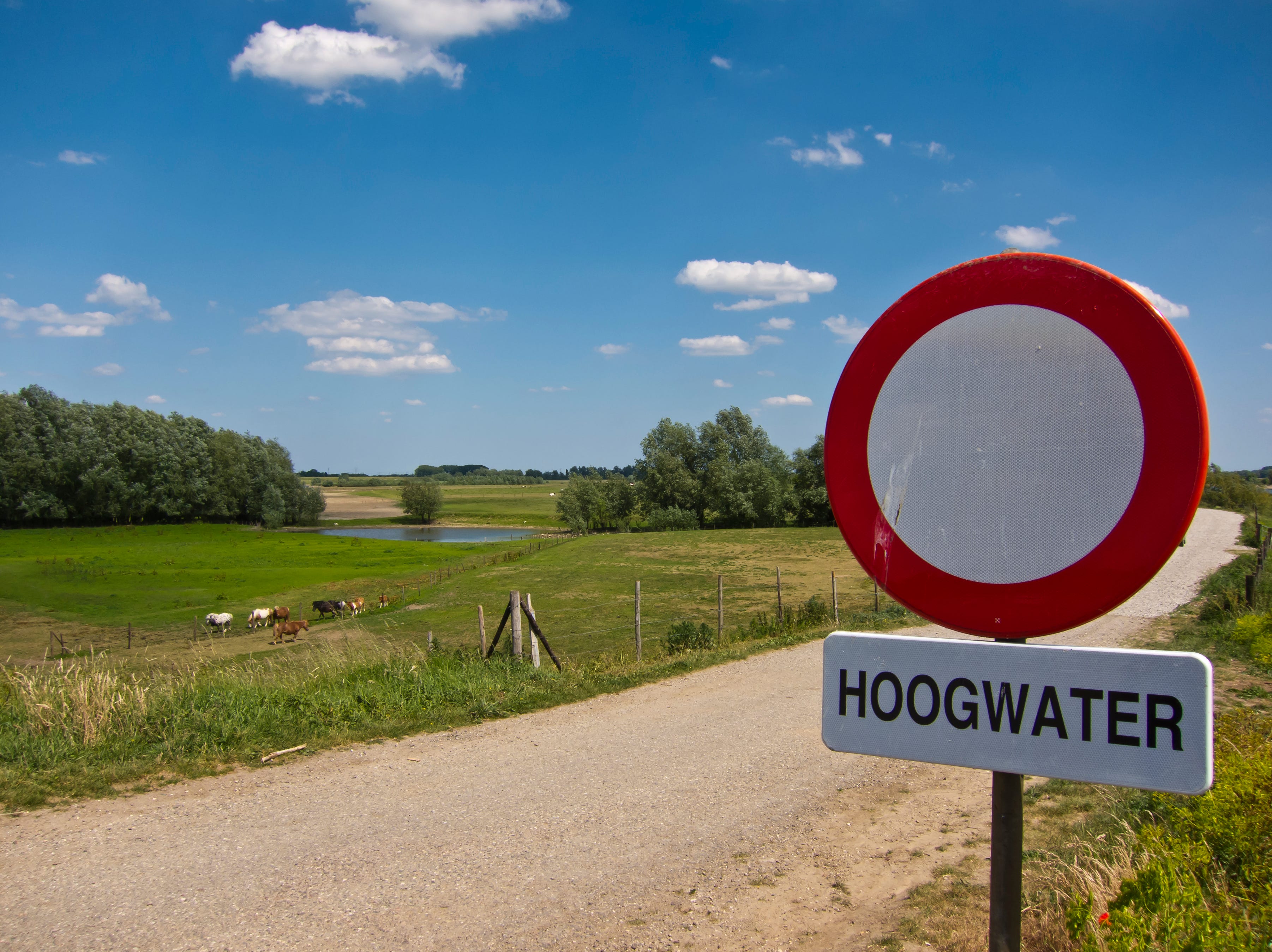
On both sides of the North Sea, these are the waterways that drain the land and at the same time transport goods and people to and fro, from which farmers draw water for thirsty crops and which also serve as wet sanctuaries for fennish flora and fauna amongst the agricultural expanses. At least in normal times. Now, some way into this dry, hot summer, even the ditches themselves are in danger of drying out. The Netherlands this week announced a move to Level 2 on its water scarcity scale, feitelijk watertekort — ‘actual water shortage’. The next and top rung of this ladder which no-one seeks to climb is Level 3, ‘national crisis’, last deployed in 2003 following the baking hot summer that year.
So here we have it, a long-sodden landscape drying out at last, after centuries of struggle to drain and keep the waters at bay. Great news, one might think, and a just reward for all the hard digging and innovative thinking that has gone on in this soggy part of the world through the ages. But the fenlands even now remain dependent on the right amount of water: too much and the consequences are obvious; too little and the whole thing can also quickly unravel, quite literally collapsing in on itself. At the end of that long, hot summer of 2003 — the driest for fifty years — a dike running through the village of Wilnis between Utrecht and Amsterdam collapsed in the middle of the night, allowing water from the adjacent canal to flood into a nearby residential area. Two thousand residents were evacuated, and by the time the canal was closed off again, six hundred houses stood in half a metre of water, to the great surprise of many nervous onlookers.1
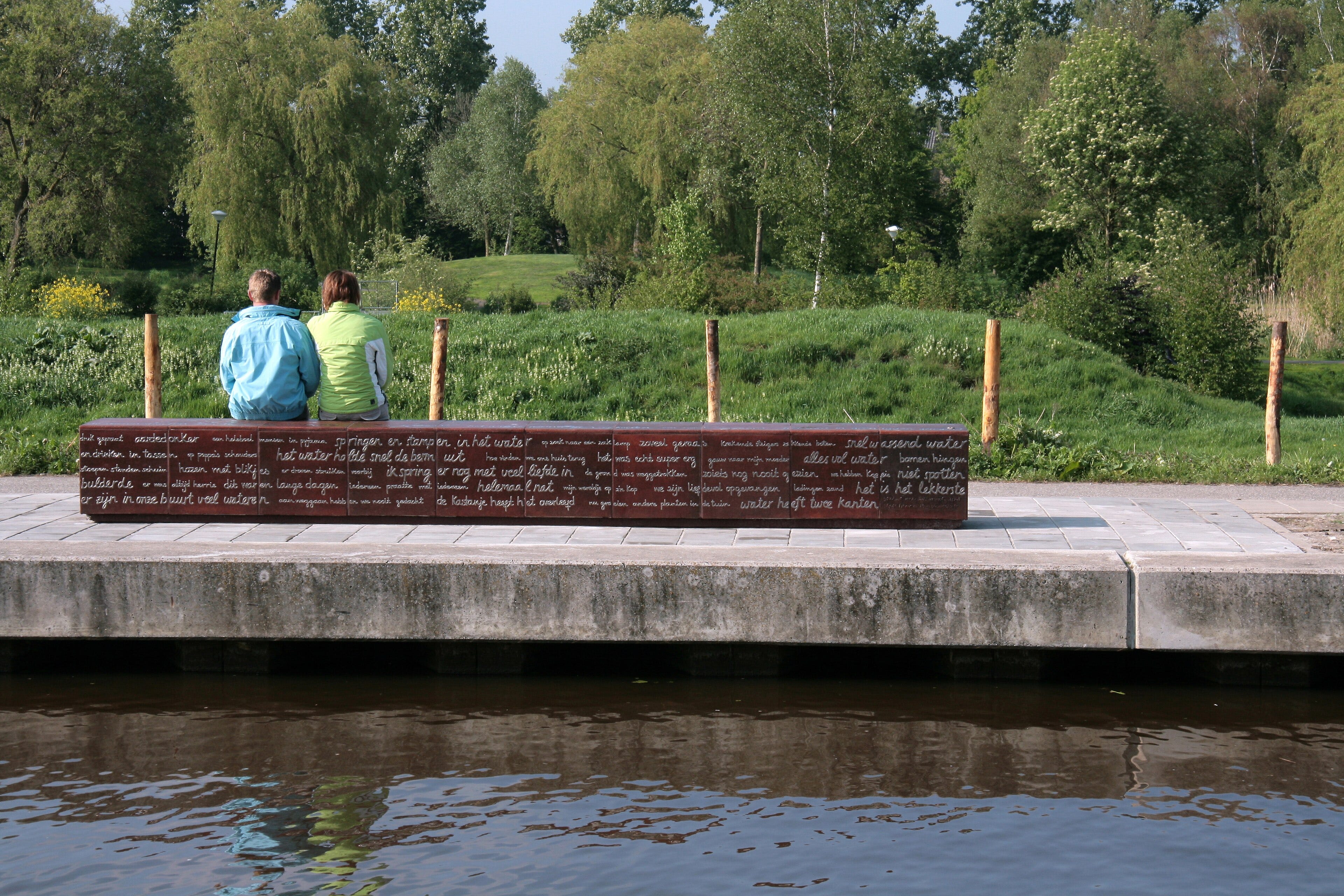
To those who make it their business to understand such matters, there was a clear explanation. The Wilnis dyke consisted of peat, which — as we know from Dutch attempts to drain the East Anglian fens in the seventeenth century — shrinks as it dries, growing weaker with every lost drop. By the night of Monday August 25th 2003, following weeks of unrelenting summer sun, the parched dyke in Wilnis could simply no longer hold. Today, on the spot where it broke, stands a monument seat inscribed with personal experiences from locals who recall that surprising flood amidst the drought.

Over two decades on from that curious night in Wilnis, this latest summer without rain is a reminder of the incongruous future facing the lowlands which surround the Southern North Sea: half the year spent cowering from ever stronger and more devastating storms, the other half spent shielding from the sun and willing the rains and storm clouds to swiftly return.
It’ll no doubt be about learning to live with either too much or too little of something we’ve long taken for granted, at least in this relatively mild, temperate part of the world — a daunting path to tread amongst the rising tides, crumbling coastlines, cracked-dry ditches and shrinking soils. I cannot speak for my fellow lowland-dwellers but I, for one, am not at all sure we’re ready for it.
.jpg)
S. Van Baars, Dutch Dike Breach, Wilnis 2003. International Conference on Case Histories in Geotechnical Engineering 47, 2004.